In our latest interview with the author S. Hussain Zaidi, we delve into the creative mind behind the thrilling novel “The Black Orphan.” This compelling story is a blend of romance, intrigue, and action that has captivated readers. Join us as the author takes us through the genesis of the novel, sharing the inspiration behind its title, the intricate development of its plot, and the dynamic characters that bring the story to life. From the vibrant backdrop of Mumbai to the challenges of intertwining fact with fiction, discover the fascinating journey of creating a narrative that is both engrossing and thought-provoking.
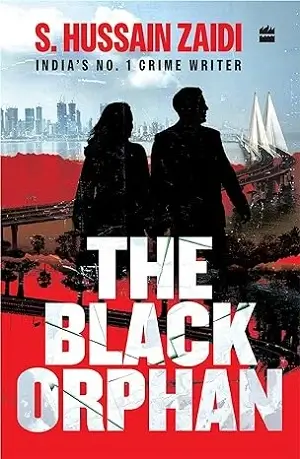
1. Could you take us through the genesis of “The Black Orphan,” including the idea behind the title, the cover, and the plot?
The plot was born out of a conversation with two very close friends. It began as a very vague idea but I wasn’t able to leave it alone. Soon, I had the skeleton of a plot in my head, which I bounced off the two friends. They loved it, and after that, you couldn’t have stopped me if you had tried.
The title suggested itself somewhere down the line. I always prefer to have multiple options for a title but there is always that one title that jumps out. Black Orphan was that one title.
As for the cover, I did what I always do; I left it in the hands of better minds than mine. The publishers did full justice to it, just as I knew it would.
2. “The Black Orphan,” is an interesting combination of romance, intrigue, and action, resulting in a multidimensional story that captivates readers. How did you weave romance, intrigue, and action into “The Black Orphan” to create a compelling story?
I think the more dimensions a story has, the more captivating or compelling it turns out to be. Whether or not The Black Orphan captivates its readers is something that time will tell, but my attempt has been to do justice to the characters and the world I have created. This means approaching the telling of the story from every angle, and not leave the reader wondering. It’s simple logic, really. The genre demands action, intrigue is its lifeblood and what is life without romance?
3. The protagonist, DIG Ajay Rajvardhan, and his love interest, lawyer Asiya Khan, face a complex web of challenges, including terrorism charges and a serial killer on the loose. What motivated you to create characters with such intricate backgrounds, and how did you develop their dynamics throughout the story?
Like most of my fiction, The Black Orphan is based on a whole lot of real-life incidents. The backgrounds of the characters, their background and their dynamics are a result of this. Real life cops, real life lawyers, their dynamics, the real-world results of those dynamic… all of these come together to form the story of The Black Orphan.
4. Your novels, including “The Black Orphan,” are acclaimed for their fast-paced and engrossing nature. Could you provide some insights into your writing process? How do you manage to sustain momentum and keep readers engaged from start to finish?
I think it comes from a place of responsibility. I may be the one building the story but I also have a responsibility towards my readers to keep it engaging and not drop the ball. A reader can lose interest in the best of stories if the telling of the story is not engaging enough. I am experienced enough to know my reader and what they want, and if they are being kind enough to buy my books, I need to respect them enough to keep their attention engaged. And it is perfectly possible to do so without sacrificing the essence of the story itself. It’s a balance every writer can strike.
Personally, I achieve this by steering clear of over explaining or editorializing, and letting the story tell the facts.
Check out our Latest Author Interviews
5. Why Mumbai? Was it driven by an untold narrative, a particular sentiment, or perhaps just an instinct?
When I first imagined Ajay and Asiya, I imagined them in Mumbai. It seemed unfair to take them out of the world that they were conceived in at a later stage, just for the sake of variety. I don’t think readers will ever tire of reading stories set in Mumbai. It is that kind of a city, every nook, every corner holds its own stories. And to be fair, there are a lot of other locations that the story spans across as well.
6. Some writers and movie directors have faced criticism for depicting protagonists from Islam and Hindu religions, with accusations of promoting “love jihad.” In your story, the characters are safe. Do you believe any art form should be exempt from these controversies?
I believe controversy for the sake of it is counterproductive and unfaithful to the art of writing. If my book were about the concept of love jihad – if such a thing even exists outside of WhatsApp forwards – my treatment would have been different. The characters, the storyline, everything would have been different. But just because I have protagonists from two different communities involved romantically doesn’t mean I jump aboard the bandwagon and use an ongoing controversy to sell a few more copies. That is the moral responsibility that every writer must stick to.
7. There is a general notion among the writers/authors that writing non-fiction is harder because you have to stick to the facts, while fiction allows more freedom for creative storytelling. You have excelled in both genres. Can you explain how these differences affect the way you write and create?
I’d put it like this; in non-fiction, you let the facts tell the story, and in fiction you let the story tell the facts. Even the completely fantastical genre of fiction ends up informing the reader about something or the other. Harry Potter as a concept was fully made up, but it did talk about the problem of discrimination that the West has seen and continues to see. But it did not preach, it just told the story and let the story tell the facts. If J K Rowling were to write a non-fiction book tomorrow about racial discrimination, I’m willing to bet there wouldn’t be a single magic wand in it.
8. While writing non-fiction books, do you ever encounter moments where you grapple with the decision of how much information to reveal versus how much to keep hidden?
I think the purpose of a non-fiction book would be defeated if I chose to hide information. But what I do make sure of is that all the information I include is substantiated, either in the form of citations or my own experiences. The biggest risk for a fiction writer is to not fall prey to the lure of sensationalizing without substantiation. If you are factually on firm ground, you’re golden.
9. If you had the chance to meet the characters from your books, which characters would you choose to meet, and what conversation would you like to have with them?
I wish I could say that I would advise them to make certain choices or decisions differently. But firstly, most of them are too headstrong to listen to me and secondly, if they did anything differently, The Black Orphan wouldn’t be what it is today, as a story.
10. Would you share something about yourself that your readers don’t know (yet)?
Just like Ajay Rajvardhan, I am a person who lets the heart think more than the head. And this has cost me in life. But just like it does with Ajay, this has also taught me who my friends actually are, and those that I have come to trust as real, genuine friends, I would today trust with my life.
Get a copy now!