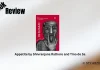
Book Title: 1990, Aramganj: A Novel
Author: Rakesh Kayasth
Translator: Varsha Tiwary
Publisher: Eka
Number of Pages: 272
ISBN: 978-9360452506
Date Published: May. 27, 2024
Price: INR 374

Book Review
“1990, Aramganj: A Novel,” translated by Varsha Tiwary from Rakesh Kayasth’s acclaimed novel “Rambhakt Rangbaaz,” is an emotional exploration of India’s socio-political landscape post-L.K. Advani’s Ram Rath Yatra, illuminating how communal tensions polarized a small town. At its core is Ashiq Rangbaz, a devout Muslim tailor whose reverence for Lord Ram embodies the intricate interplay of faith and identity amidst rising Hindu nationalism. Through a skillfully woven narrative, Kayasth employs a chorus of voices to vividly depict Aramganj’s turmoil, where conversations shift, relationships strain, and new animosities emerge in the wake of political fervor.
Against the backdrop of a transforming India, “1990, Aramganj” offers a microcosmic lens into societal divisions fueled by caste pride, religious fervor, and patriarchal norms. The characters, particularly the enigmatic Ashiq Miyan, navigate a landscape fraught with communal strife and personal turmoil, their stories converging towards a gripping climax that resonates with contemporary relevance.
Author Kayasth’s writing style, characterized by its satirical edge and emotional depth, captures the essence of small-town dynamics with humor and poignancy. Varsha Tiwary’s translation preserves the cadence of local dialects and expressions, enriching the authenticity of the narrative and broadening its accessibility. Each character in “1990, Aramganj” is meticulously crafted, contributing to a rich tapestry that reflects India’s societal fabric grappling with profound social and political shifts.
Check out our Latest Book Reviews
The novel has garnered acclaim for its incisive portrayal of communalism and the erosion of secular values, serving as a timely commentary on contemporary India. Kayasth’s narrative prowess and insightful social commentary elevate the novel beyond mere fiction, offering readers a compelling exploration of identity, faith, and the human toll of ideological polarization. Whether readers are familiar with the era or encountering it anew, “1990, Aramganj” promises a captivating and thought-provoking journey through the complexities of modern Indian society.
In conclusion, “1990, Aramganj” stands as a literary tribute to Kayasth’s ability to seamlessly blend socio-political critique with riveting storytelling, making it essential reading for anyone keen on understanding the enduring legacies of communal politics and the resilience of individuals navigating its wake.
Books are love!
Get a copy now!